Español
 عربى
 русский
Content
- 1 Product Overview
- 2 The Importance of the Male Connector in Structured Cabling
- 3 Key Product Advantages
- 4 Manufacturing Strengths
- 5 Quality Stability and Product Testing
- 6 Comparison with Generic or Lower-Control Alternatives
- 7 Application Areas
- 8 Installation and Compatibility Considerations
- 9 Procurement Guidance for Distributors and Project Buyers
- 10 Environmental and Operational Responsibility
- 11 Why Manufacturer Capability Matters
- 12 Recommended Evaluation Checklist
- 13 Frequently Asked Questions
- 13.1 What is the SMT-3021T8C8-FTP?
- 13.2 Is this connector suitable for every Ethernet installation?
- 13.3 Why might a shielded connector be selected?
- 13.4 Can the product be used in industrial environments?
- 13.5 What manufacturing resources support this product?
- 13.6 Does the manufacturer offer customization?
- 13.7 What related products can be sourced from the same manufacturer?
- 13.8 How should the connector be tested after installation?
- 13.9 What should a buyer request before placing a bulk order?
- 13.10 How does supplier experience affect project results?
- 14 Conclusion
- 15 References
- 16 Product: SMT-3021T8C8-FTP
Modern communication networks depend on small connection components that are often overlooked until a system begins to experience intermittent faults, signal degradation, difficult maintenance, or inconsistent installation quality. The connector is one of the most important elements in the complete cabling chain because it establishes the physical and electrical interface between horizontal cable, patching equipment, outlets, patch cords, and active network devices. A carefully engineered connector can support stable performance across the life of an installation, while a poorly selected or inconsistently manufactured connector can reduce the value of even the highest-quality cable and network equipment.
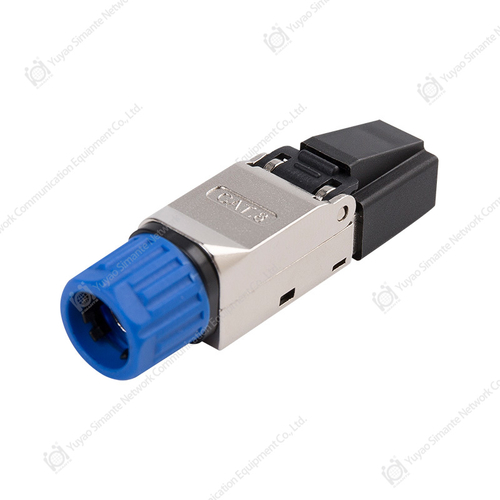
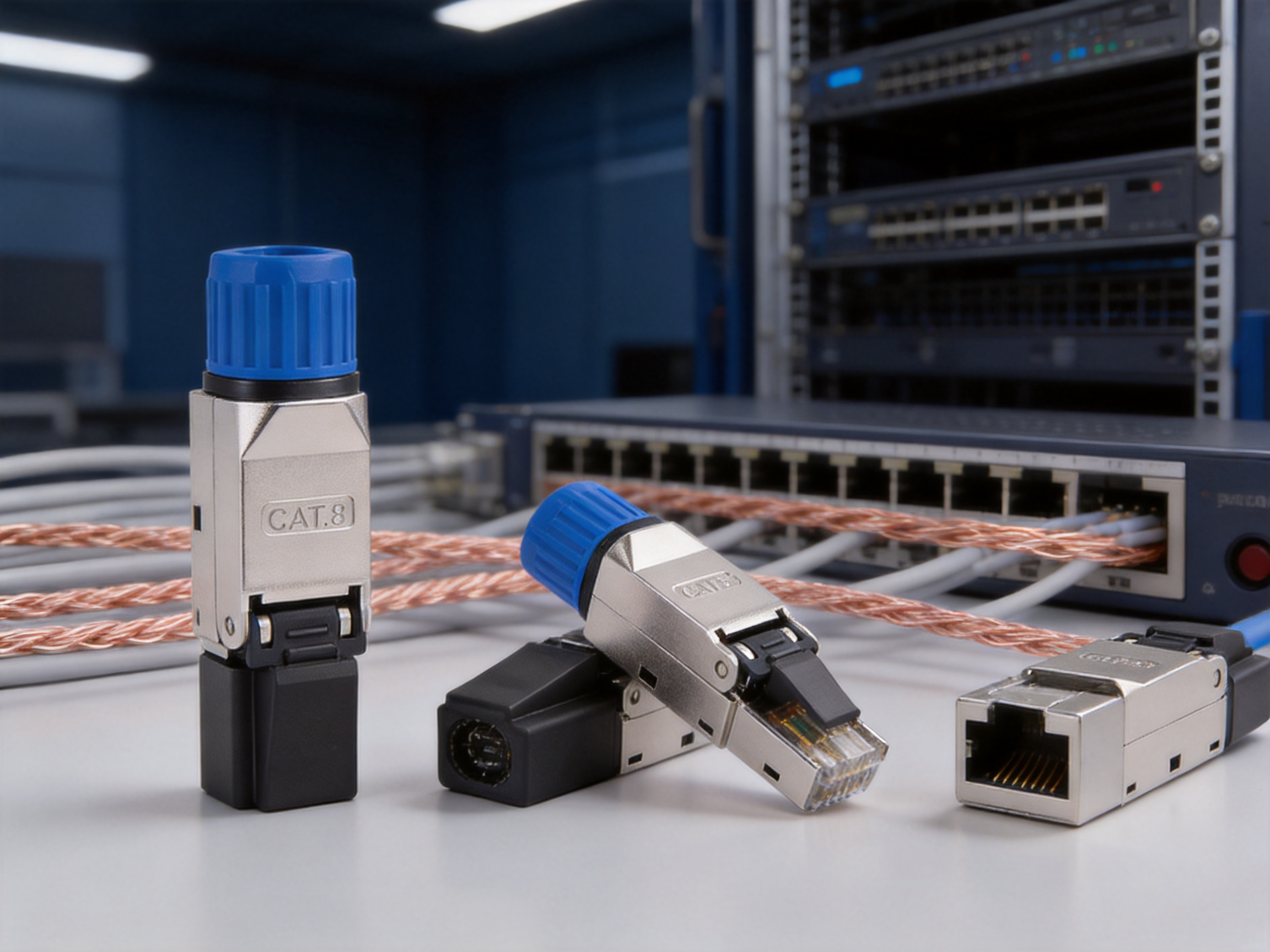
The SMT-3021T8C8-FTP is a male connector designed for use within copper structured cabling and related network communication applications. It is part of a product category that serves the practical needs of installers, system integrators, distributors, original equipment manufacturers, and project contractors. Its role is to provide a dependable connection point in a structured cabling environment while supporting orderly installation, repeatable assembly, and professional network construction.
Manufactured by Yuyao Simante Network Communication Equipment Co., Ltd., the product is backed by a company with experience in network cabling solutions, optical fiber products, product development, production management, testing, OEM projects, and ODM projects. The manufacturer combines design, development, sales, and service capabilities, enabling the product to be supported not only as an individual connector but also as part of a wider copper and fiber structured cabling system.
Product Overview
The SMT-3021T8C8-FTP belongs to the male connector category. Its product designation identifies it as a component intended for structured network communication use, and the “FTP” suffix is commonly associated with a shielded or foil-screened cabling configuration. Because exact electrical ratings, conductor compatibility, pin assignment, plating specifications, and compliance information must be confirmed through the current technical datasheet, purchasers should evaluate the connector together with their selected cable, termination method, and system standard.
In a structured cabling system, the connector must do more than simply join conductors. It must support a stable mechanical interface, help maintain the intended electrical characteristics of the cable, and provide a practical installation experience. The SMT-3021T8C8-FTP is therefore relevant to applications where connection consistency, organized cable management, and reliable network infrastructure are priorities.
The product can be considered for commercial buildings, communication rooms, office networks, residential developments, smart-home installations, automation systems, educational facilities, retail spaces, and other projects requiring organized copper connectivity. Its application suitability depends on the complete design, including cable category, shielding architecture, network speed, installation environment, connector standard, and local regulations.
The Importance of the Male Connector in Structured Cabling
A structured cabling system is made up of interconnected elements rather than a single product. Cable, connectors, patch panels, outlets, face plates, patch cords, cabinets, grounding provisions, and active equipment all influence the final result. The male connector forms one of the accessible interfaces within this chain. It may be used where a cable must connect to a port, adapter, module, or other compatible female interface.
The quality of this interface influences several practical factors. First, the connector must hold the cable and conductors securely enough to resist movement during installation and service. Second, it must enable a repeatable termination process so that different installers can achieve consistent results. Third, it must cooperate with the mechanical dimensions of the corresponding interface. Fourth, in shielded installations, it must be integrated into the overall shielding and grounding design rather than treated as an isolated accessory.
Connector selection is particularly important when a project contains many connection points. A small variation at one point may have limited impact, but repeated inconsistency across hundreds or thousands of ports can create installation delays, testing failures, maintenance difficulties, and higher total cost. For this reason, professional buyers often assess supplier experience, production capacity, quality control, customization ability, and technical support in addition to the visible appearance of the connector.
Key Product Advantages
Designed for Professional Network Cabling Applications
The SMT-3021T8C8-FTP is positioned for use in network communication and structured cabling applications rather than general-purpose electrical connection. This focus is important because communication connectors must be selected with attention to conductor arrangement, signal integrity, installation repeatability, and system compatibility. A product developed for structured cabling is more likely to be considered within the practical workflow of network installers and system integrators.
The product can support projects that require an organized, serviceable, and scalable connection architecture. Structured cabling is valued because it separates the infrastructure from short-term equipment changes. A well-designed network can continue to serve an office, home, facility, or industrial environment even when switches, computers, access points, cameras, or other connected devices are upgraded. Dependable connectors contribute to this long-term flexibility.
Suitable for Shielded Cabling Strategies
The FTP designation indicates a product intended for consideration in shielded cabling systems. Shielded systems are selected where electromagnetic interference, radio-frequency disturbance, equipment density, or environmental conditions make additional noise-control measures desirable. However, the effectiveness of a shielded system depends on continuity throughout the complete installation. Cable screen, connector, patch panel, outlet, cabinet, grounding, and equipment interfaces must be evaluated together.
When correctly matched with compatible shielded cable and system components, a suitable shielded connector can help installers maintain the planned protection strategy. It can be especially relevant in areas containing motors, switching equipment, power distribution systems, industrial automation devices, or dense electronic installations. The exact grounding and bonding method must always follow the project standard and the instructions supplied for the selected system components.
Supports Installation Efficiency
Installation efficiency is a major advantage in commercial cabling work. Contractors frequently work under strict schedules, and the cost of labor can exceed the purchase price of individual connection components. A connector that supports a clear and repeatable assembly process can help reduce unnecessary rework. It can also make training easier for new technicians and simplify quality checks performed by supervisors or inspectors.
The SMT-3021T8C8-FTP is supplied as part of a manufacturing program focused on network cabling components. This production background is valuable because the product can be understood as one element of an established cabling product family rather than as an isolated item with no connection to broader system requirements. Buyers can discuss application conditions, volume needs, packaging, project consistency, and possible customization with a manufacturer that already serves the structured cabling market.
Useful for System-Level Product Matching
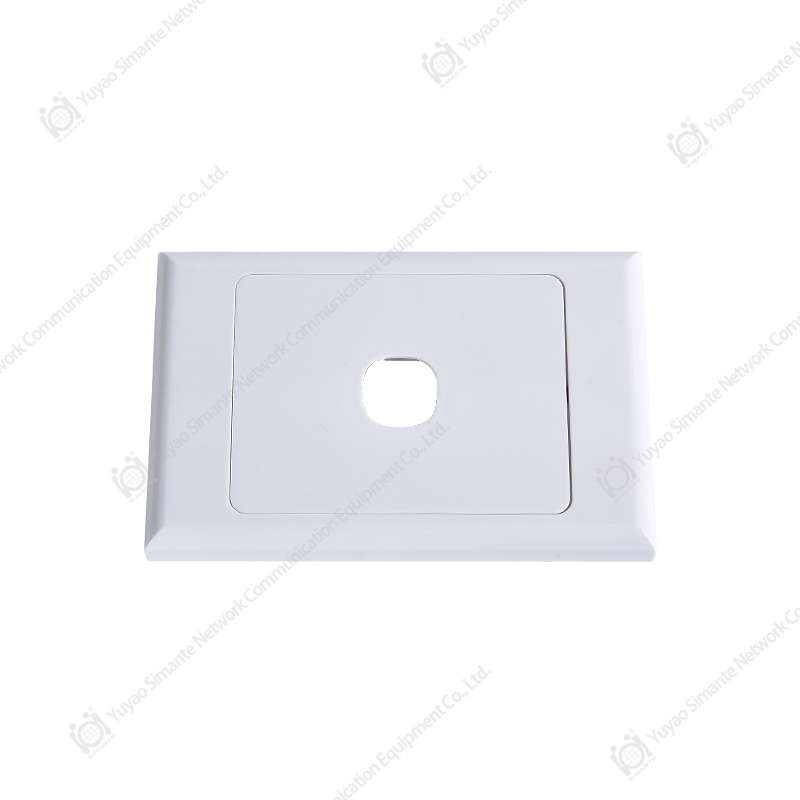
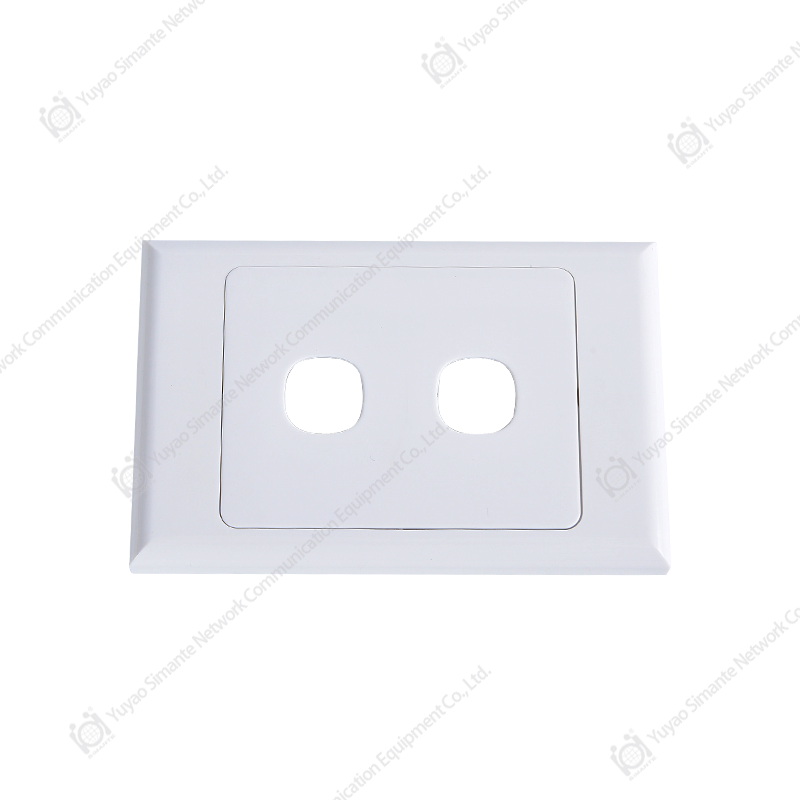
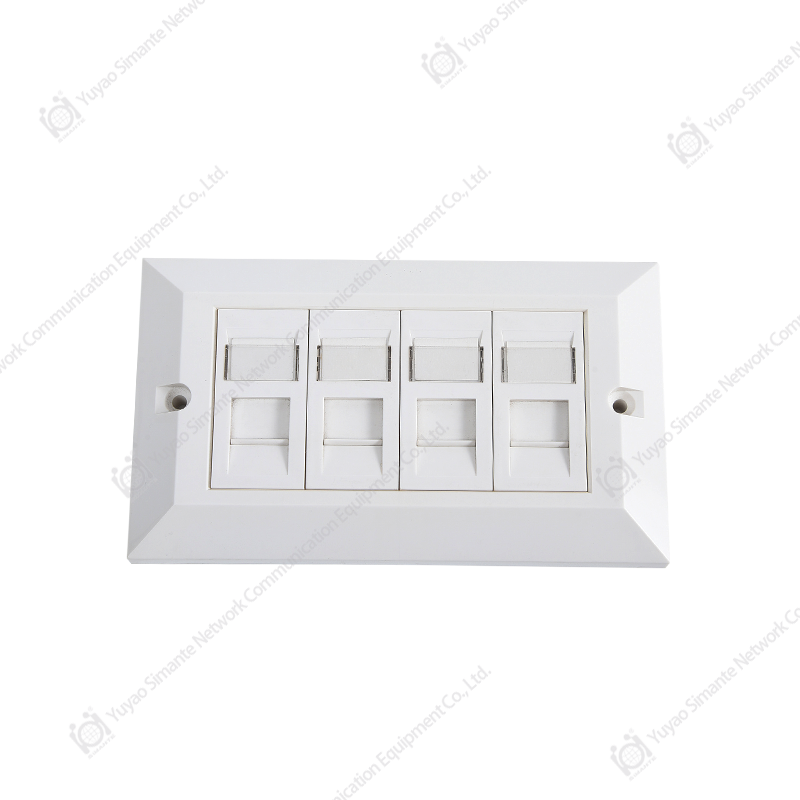
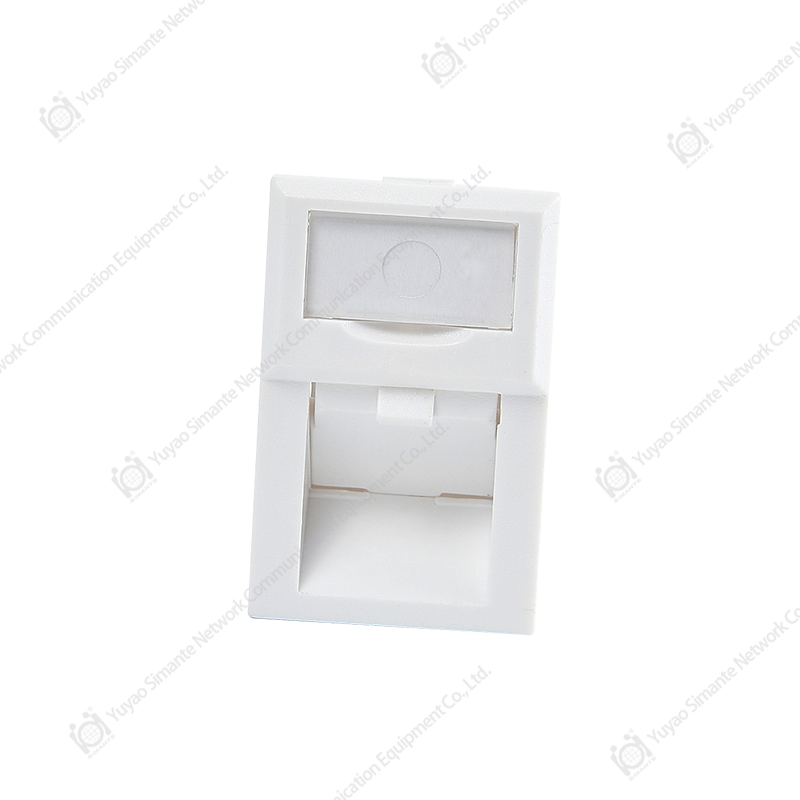
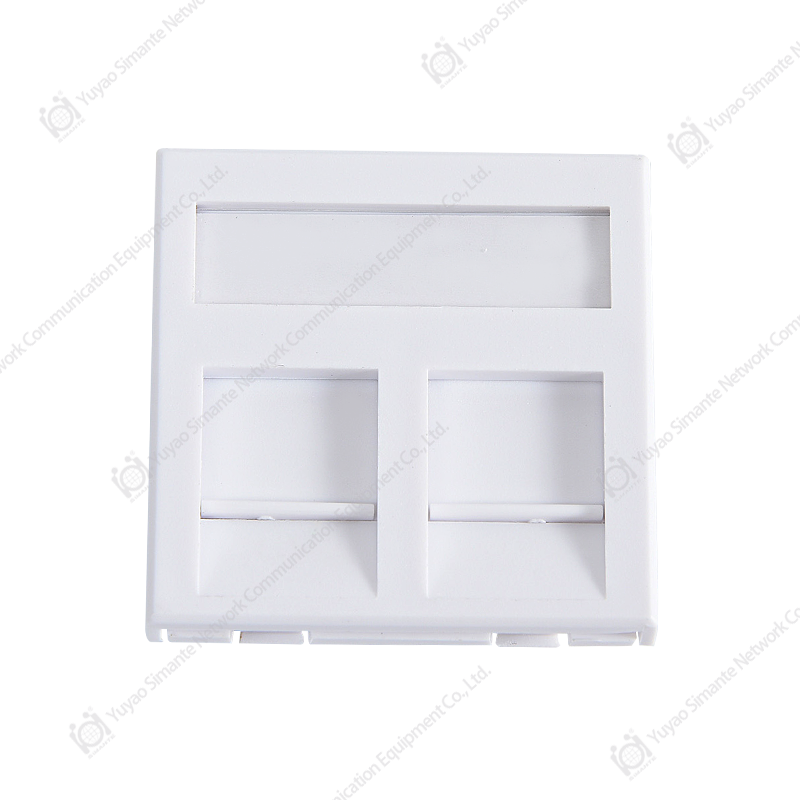
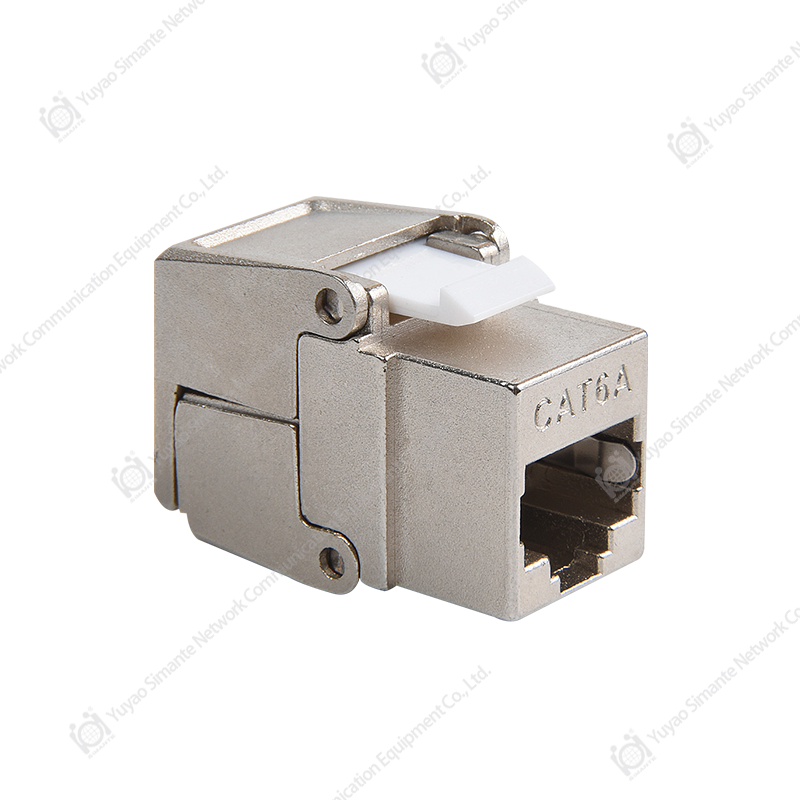
Simante manufactures products such as keystone jacks, patch panels, wall face plates, and data sockets, in addition to other network communication and optical fiber products. This broader portfolio can simplify the process of building a compatible product set. A distributor or project contractor may be able to source several related components from one experienced supplier, reducing the number of technical interfaces and commercial contacts that must be coordinated.
System-level matching is helpful when a project has requirements for appearance, mechanical fit, installation method, packaging, labeling, or delivery timing. It also supports a more consistent approach to product evaluation. Instead of assessing unrelated components from multiple sources with different quality systems, a buyer can develop a clearer procurement strategy around a supplier with experience across copper and fiber infrastructure.
Appropriate for OEM and ODM Cooperation
Different network infrastructure projects may require variations in branding, packaging, color, configuration, labeling, or supporting accessories. The manufacturer states that it undertakes OEM and ODM projects, which is a significant advantage for importers, distributors, and equipment companies that need products adapted to their own market strategy.
OEM cooperation can help a distributor build a private-label product line while using an established manufacturing base. ODM cooperation can support customers that need assistance developing or adapting a product for a particular installation method or commercial requirement. The specific scope of customization should be confirmed during technical discussions, including minimum order quantities, tooling, testing, sample approval, packaging design, lead time, and intellectual property arrangements.
Manufacturing Strengths
Integrated Design and Development Capability
Yuyao Simante Network Communication Equipment Co., Ltd. integrates design, development, sales, and service. This structure provides a direct connection between market requirements and manufacturing decisions. Customer feedback can be communicated to technical and production teams, while design decisions can be evaluated against actual installation conditions and commercial needs.
The company reports nearly 20 years of service in the network cabling field. Long-term participation in this market can create practical knowledge that is difficult to obtain through short-term production alone. Cabling products must satisfy several expectations at once: the geometry must be stable, the materials must be suitable, the assembly process must be repeatable, the product must be easy to handle, and the final item must remain commercially competitive. Experience across these areas can contribute to better product planning and more efficient problem solving.
The manufacturer also reports a mature research and development system. A mature development process is important because a connector should be considered from the beginning as part of a complete application. Product engineers need to think about housing design, conductor positioning, assembly sequence, tooling, material flow, quality inspection, packaging, and field use. When these elements are coordinated early, the likelihood of production inconsistency and installation difficulty can be reduced.
Experienced Engineering and Technical Personnel
The company states that it has more than 10 engineers and over 30 full-time technical personnel. This team supports product improvement, quality management, production activity, and technical service. A dedicated engineering and technical group is especially important for products that require precision molding, repeated assembly, and stable mechanical dimensions.
Technical personnel can contribute at several stages. During design, they help translate product requirements into manufacturable structures. During tooling and process development, they examine mold performance, assembly sequence, and production efficiency. During inspection, they establish measurement and testing methods. During customer service, they help analyze application problems and propose corrective actions. This chain of responsibility supports a more systematic approach than simply purchasing generic components from an unknown source.
Multiple Production Lines
The factory operates 10 regular and customization production lines. This capacity supports both standard production and customer-specific requirements. For standard orders, multiple lines can help maintain continuity and output. For customized projects, dedicated production arrangements may help separate special configurations from regular products and provide better control over approvals and production records.
Production-line capacity is also relevant to supply reliability. Network infrastructure projects are often scheduled around building completion, equipment delivery, or contractor mobilization. A supplier that can maintain stable production is better positioned to respond to repeat orders and larger project quantities. Buyers should still confirm current capacity, lead time, order forecasts, and shipping plans for each project, but the reported production structure provides a strong foundation for volume supply.
Injection Molding Resources
The factory has 10 fully automatic injection molding machines and 20 semi-automatic injection molding machines. Injection molding is a critical process for many connector components because the housing must be formed with consistent dimensions, clean surfaces, and stable mechanical features. Molded parts may contain locking features, cable-support elements, alignment structures, and interface geometry that must remain within the required tolerance.
Automatic equipment can improve process repeatability and production efficiency when properly set up and maintained. Semi-automatic equipment can provide flexibility for different product designs, production volumes, and customization requirements. A combination of automatic and semi-automatic machines allows a manufacturer to balance output, flexibility, and product variety.
For a connector manufacturer, the value of molding capacity extends beyond the number of machines. It also depends on mold design, maintenance, material control, process parameters, operator training, inspection frequency, and documentation. These factors determine whether a production line can produce consistent parts across different batches. The presence of substantial molding resources indicates that the company has invested in the infrastructure required for long-term connector manufacturing.
Automated Assembly Equipment
The factory reports eight automatic installation machines. Automated assembly equipment can be valuable for connector production because repeated installation operations require consistent positioning and controlled force. Automation may help reduce variation caused by manual handling, increase productivity, and support stable output for large orders.
Automation does not eliminate the need for skilled technicians. Instead, it shifts the emphasis toward equipment programming, process validation, preventive maintenance, tooling inspection, and quality monitoring. A well-managed automated line can provide repeatable results, while trained personnel ensure that the line continues to operate correctly when materials, product versions, or order requirements change.
Quality Stability and Product Testing
Quality stability begins at the design source. If the housing, contact arrangement, locking structure, or assembly sequence is difficult to manufacture consistently, final inspection alone cannot fully solve the problem. The manufacturer emphasizes design-based quality stability, which means that product development and engineering decisions are treated as important parts of quality assurance.
A comprehensive quality approach for a male connector may include incoming material checks, dimensional inspection, visual inspection, assembly verification, mechanical tests, contact-related checks, and packaging inspection. The exact tests required depend on the product design and applicable standards. Customers should request the relevant technical documentation and confirm which tests are performed for the SMT-3021T8C8-FTP configuration.
Performance testing is particularly important for products used in communication systems. A connector may appear acceptable while still presenting problems related to contact consistency, mechanical retention, conductor alignment, or shielding continuity. Testing helps identify these issues before products are shipped or installed in the field.
The company states that it meets customers’ comprehensive product testing requirements through performance testing. This is an advantage for project buyers because different markets may require different inspection reports, sample approvals, production records, or verification procedures. A supplier capable of discussing customer-specific testing can be more suitable for professional procurement than a supplier that provides only a basic visual inspection.
SMT-3021T8C8-FTP
Comparison with Generic or Lower-Control Alternatives
Many connectors on the market may look similar from the outside. However, visible appearance is only one part of product quality. Differences may exist in raw materials, dimensional control, assembly consistency, contact quality, shielding arrangement, mold precision, inspection methods, packaging, and supplier support. The SMT-3021T8C8-FTP should be compared with competing products using objective criteria rather than price alone.
| Evaluation Area | SMT-3021T8C8-FTP Consideration | Why It Matters |
|---|---|---|
| Application focus | Developed for network communication and structured cabling use | Supports more relevant product selection for data infrastructure projects |
| Shielding strategy | FTP designation indicates suitability for evaluation in shielded systems | Helps address installations where electromagnetic interference control is important |
| Manufacturing background | Produced by an established network cabling component manufacturer | Provides access to specialized experience rather than only general-purpose production |
| Production flexibility | Regular and customization production lines are available | Supports standard orders and selected OEM or ODM requirements |
| Engineering resources | More than 10 engineers and over 30 technical personnel are reported | Strengthens product development, process control, and technical service |
| Equipment base | Automatic and semi-automatic injection molding equipment plus automatic installation machines | Supports output, repeatability, and product variety |
| Product portfolio | Related copper and optical fiber products are available | Can simplify system-level sourcing and product matching |
| Customization support | OEM and ODM projects are undertaken | Helps distributors and project customers develop tailored supply programs |
| Export experience | Products are supplied to Europe, Australia, Africa, the Middle East, and Southeast Asia | Indicates experience serving multiple international markets |
A generic alternative may have a lower unit price but create hidden costs if it produces a higher rate of installation errors, inconsistent batches, poor packaging, uncertain documentation, or delayed technical responses. Total cost should include labor, testing, replacement, project delay, field service, and inventory management. A connector with stable supply and predictable quality can offer a stronger economic result even when the initial purchase price is not the lowest available.
Another important difference is the level of supplier communication. Structured cabling projects often involve technical questions about cable compatibility, shielding, termination tools, product versions, packaging, and inspection requirements. A specialized manufacturer is more likely to understand these questions and provide relevant support. This can reduce the time required to resolve problems before mass production or installation.
Application Areas
Commercial Office Networks
Office buildings require structured connections for computers, telephones, wireless access points, printers, cameras, meeting-room systems, and building management devices. A male connector such as the SMT-3021T8C8-FTP can be considered within the connection architecture for shielded copper installations, subject to compatibility with the selected cable and network components.
Office networks often change over time. Departments move, work areas are rearranged, and equipment is upgraded. A structured cabling design with dependable connection points can support these changes without requiring a complete infrastructure replacement. Consistent connectors also make it easier for technicians to identify, test, replace, and document individual connections.
Data and Communication Rooms
Communication rooms contain concentrated quantities of cables and active devices. In these spaces, connection reliability and organization are especially important because a small error can affect multiple users or systems. Shielded components may be selected where the environment includes dense equipment or potential sources of electromagnetic interference.
When used in a communication-room project, the connector should be evaluated as part of the patching and grounding design. Cable routing, bend radius, separation from power lines, labeling, rack organization, and testing procedures all contribute to final system performance. The connector is one part of a disciplined installation process.
Smart Homes and Residential Developments
Modern homes increasingly include wireless access points, security cameras, entertainment systems, network storage, smart appliances, and automation controllers. Although many devices connect wirelessly, reliable wired infrastructure remains important for backhaul connections, high-bandwidth devices, and system stability.
A structured copper network can provide a foundation for future upgrades. Residential developers and integrators may value compact, orderly, and serviceable connection components that can be included in centralized communication cabinets or media distribution locations. Product appearance, ease of installation, packaging, and compatibility with face plates or data sockets may also influence product selection.
Industrial Automation and Control
Industrial environments may contain motors, variable-frequency drives, switching equipment, sensors, controllers, and other devices that create or are affected by electromagnetic noise. Shielded cabling strategies are often considered in these applications, though the final design must account for the specific environment, grounding scheme, equipment requirements, and relevant industrial standards.
In industrial projects, mechanical security and installation repeatability are also important. Maintenance teams need to know that connections can be inspected and serviced without introducing unnecessary variation. Product selection should therefore include consideration of vibration, temperature, contamination, cable routing, enclosure requirements, and the applicable environmental rating.
Security and Building Automation Systems
Security cameras, access-control systems, alarm panels, environmental sensors, and building automation devices depend on stable communication infrastructure. These systems may operate continuously and can be distributed across large buildings or campuses. A structured approach to connector selection can help simplify installation records and future maintenance.
When a building uses multiple low-voltage systems, a consistent component strategy can help contractors manage inventory and training. A supplier with a wider range of network products may be able to support copper connections, fiber links, outlets, panels, and related accessories under a more unified procurement plan.
Installation and Compatibility Considerations
Before ordering the SMT-3021T8C8-FTP, purchasers should verify the intended cable type, conductor size, conductor arrangement, shielding requirements, interface standard, and termination tools. Connector performance depends on compatibility. A connector should not be selected only because its external shape resembles an existing product.
The installation team should follow the approved wiring scheme and avoid unnecessary untwisting of the cable pairs. Pair geometry can influence communication performance, particularly at higher frequencies. The cable should be prepared according to the product instructions, and the connector should be assembled using suitable tools and controlled procedures.
For shielded installations, the installer must confirm how the shield is carried through the connection and how it is bonded to the rest of the system. Shielding is not effective if continuity is interrupted by an incompatible component or if grounding is incorrectly designed. The project’s electrical and communication standards should determine the correct implementation.
Mechanical handling is also important. Excessive pulling, bending, twisting, or side loading can affect both the connector and cable. During installation, cables should be supported and routed with appropriate bend control. After assembly, connections should be inspected for secure retention, correct orientation, visible damage, and accurate labeling.
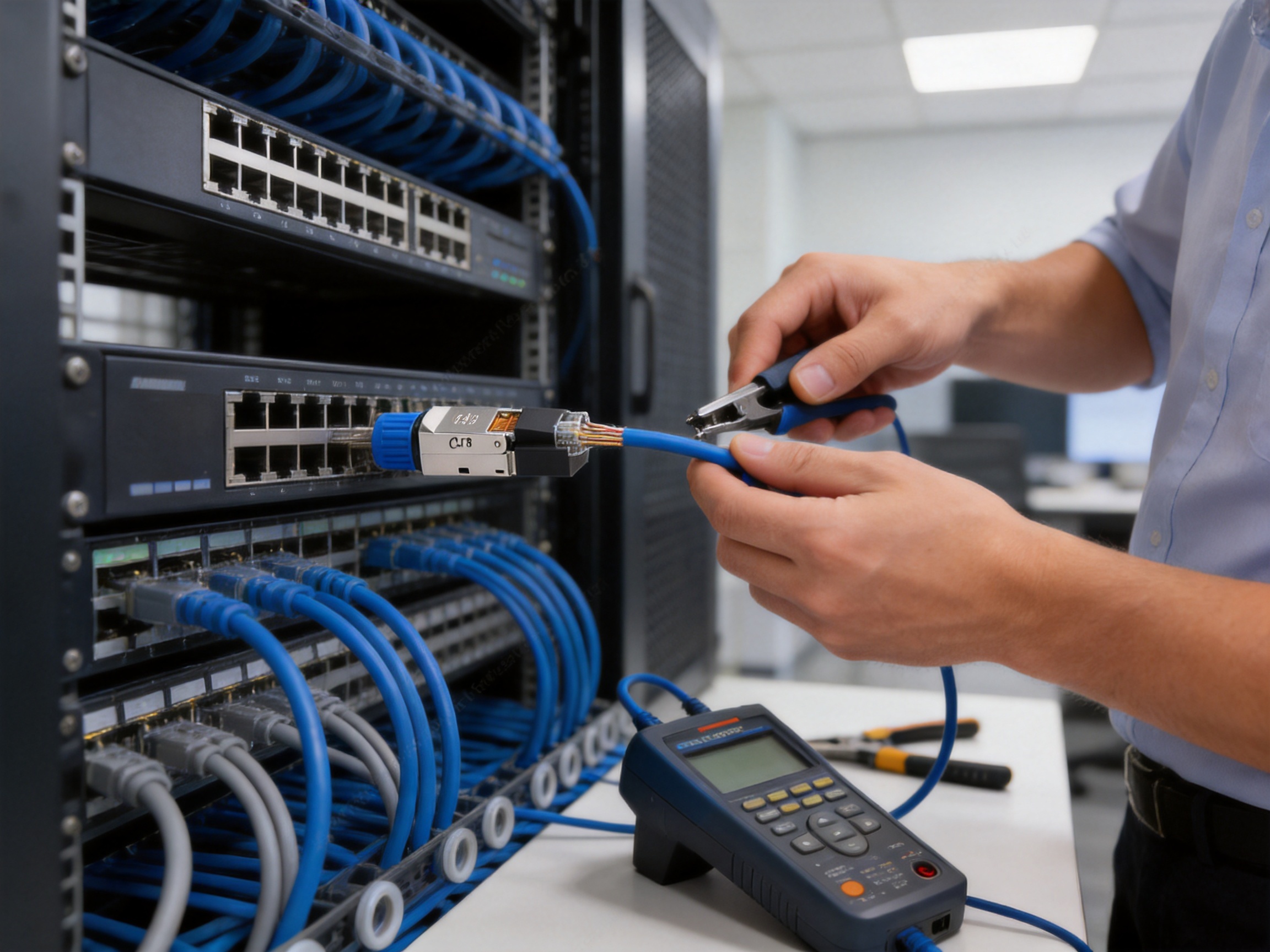
Testing should be performed after installation. Depending on the project, testing may include wire map verification, continuity, resistance, insertion-related measurements, return-loss-related measurements, crosstalk-related measurements, shielding continuity, or certification testing. The exact test program should correspond to the selected cabling category and applicable standards.
Procurement Guidance for Distributors and Project Buyers
Distributors should evaluate the product as part of a broader supply program. Important questions may include available order quantities, packaging format, carton information, labeling, sample policy, production lead time, repeat-order consistency, and technical documentation. If the distributor serves multiple regional markets, language, compliance, and packaging requirements should also be discussed in advance.
Project buyers should define the application before requesting a quotation. The supplier should know whether the connector is for a standard office network, a shielded industrial installation, a residential development, an OEM product line, or a custom system. This information helps the manufacturer recommend the appropriate configuration and identify any compatibility questions.
Sample approval is recommended before placing a large order. Samples can be evaluated for fit, assembly process, cable compatibility, appearance, packaging, and installer acceptance. If the project requires special testing, the same test method should be used during sample approval and production inspection whenever practical.
Forecasting can improve supply stability. Network infrastructure orders may be delivered in phases, and a forecast allows the manufacturer to plan materials, production capacity, packaging, and shipping. Repeat orders should reference the approved product code and configuration clearly to avoid confusion between standard and customized versions.
Environmental and Operational Responsibility
Responsible product selection considers the entire service life of the connection. A stable connector can reduce the likelihood of premature replacement, repeated site visits, and unnecessary material consumption. Organized structured cabling can also make future upgrades more efficient because technicians can reuse existing pathways and connection locations.
Manufacturing responsibility includes material control, equipment maintenance, process efficiency, waste reduction, and proper handling of production materials. Customers may request information about material declarations, compliance documentation, packaging composition, and factory environmental practices where required by their market or project.
The connector should also be used within its intended environmental limits. Indoor office use, residential use, industrial use, outdoor exposure, high humidity, extreme temperature, dust, vibration, and chemical exposure can require different product specifications. The SMT-3021T8C8-FTP should be selected only after confirming that its documented operating conditions match the intended installation environment.
Why Manufacturer Capability Matters
Product performance and manufacturer capability are closely related. A connector may meet the needs of a project when manufactured consistently, but the same design can become unreliable if production controls are weak. Stable molding, accurate assembly, material traceability, testing, and packaging all require investment and management attention.
Simante’s reported combination of engineering personnel, technical staff, production lines, injection molding machines, automatic assembly equipment, testing capability, and international market experience creates a foundation for professional supply. The company is not presented merely as a trading business; it operates as a manufacturer with design, development, production, sales, and service functions.
This integrated approach can benefit customers in several ways. Product questions can be directed to a technical team. Customization can be assessed within the factory’s own production structure. Quality issues can be investigated closer to the source. Forecasts can be connected to manufacturing planning. Product updates can be developed through an established research and development process.
The company’s reported export activity in Europe, Australia, Africa, the Middle East, and Southeast Asia also indicates experience with international customers and varied market expectations. Each region may have different purchasing processes, documentation requirements, project practices, and packaging preferences. Serving multiple markets encourages a manufacturer to develop clearer communication and more adaptable support procedures.
Recommended Evaluation Checklist
When evaluating the SMT-3021T8C8-FTP, confirm the complete technical specification, including connector type, cable compatibility, conductor dimensions, shielding arrangement, material information, interface dimensions, operating conditions, and applicable standards.
Request samples and perform installation trials with the exact cable intended for the project. Check whether technicians can prepare and terminate the cable efficiently. Examine the connection for mechanical retention, alignment, fit, and visual consistency.
Confirm the required performance-testing procedure. If the project has certification requirements, ensure that the connector and complete channel configuration are suitable for the intended test system. Ask for available inspection records, test reports, or quality documents where required.
Discuss packaging and identification. Large network projects benefit from clear product codes, lot information, carton labeling, and protection against damage during transportation. Customized packaging should be approved before mass production.
Evaluate delivery capability. Consider standard lead time, sample lead time, production capacity, repeat-order planning, shipping arrangements, and communication procedures for urgent requirements.
Finally, compare total value rather than unit price alone. A specialized product supported by engineering and manufacturing resources can reduce risk throughout design, installation, testing, and maintenance.
Frequently Asked Questions
What is the SMT-3021T8C8-FTP?
The SMT-3021T8C8-FTP is a male connector for network communication and structured copper cabling applications. The FTP designation commonly relates to a shielded or foil-screened cabling configuration. Exact technical details should be confirmed through the current product datasheet.
Is this connector suitable for every Ethernet installation?
Not automatically. Suitability depends on the cable category, conductor size, wiring arrangement, interface compatibility, shielding design, network performance requirement, and applicable standards. The connector should be evaluated as part of the complete cabling channel.
Why might a shielded connector be selected?
A shielded connector may be selected where electromagnetic interference control is important or where the complete cabling system uses a shielded architecture. Shielding is effective only when compatible components, correct continuity, and an appropriate grounding strategy are maintained.
Can the product be used in industrial environments?
It may be considered for industrial communication applications when its documented environmental and mechanical specifications match the installation. Buyers should verify temperature, humidity, vibration, contamination, cable routing, enclosure, grounding, and certification requirements before use.
What manufacturing resources support this product?
The manufacturer reports 10 regular and customization production lines, 10 fully automatic injection molding machines, 20 semi-automatic injection molding machines, and eight automatic installation machines. It also reports more than 10 engineers and over 30 full-time technical personnel.
Does the manufacturer offer customization?
The company undertakes OEM and ODM projects. Potential customization may include product configuration, packaging, labeling, appearance, or other project-specific requirements. The exact scope, tooling, minimum order quantity, testing, and delivery schedule should be confirmed for each project.
The manufacturer’s product range includes network cabling components such as keystone jacks, patch panels, wall face plates, and data sockets, as well as optical fiber products. This broader portfolio may support coordinated sourcing for copper and fiber structured cabling systems.
How should the connector be tested after installation?
Testing should follow the project specification and selected cabling category. It may include continuity, wire map, resistance, shielding continuity, and certification measurements related to the complete channel. The correct test method should be agreed upon before installation.
What should a buyer request before placing a bulk order?
A buyer should request the current datasheet, samples, compatibility information, test documentation, packaging details, quality requirements, production lead time, and any required compliance documents. A sample installation using the intended cable is strongly recommended.
How does supplier experience affect project results?
Experienced suppliers can provide stronger support in product matching, process control, customization, testing, production planning, and problem resolution. This may reduce installation risk and improve consistency across large or repeated network infrastructure projects.

Conclusion
The SMT-3021T8C8-FTP is a professional male connector intended for consideration in copper structured cabling and network communication systems. Its value lies not only in its function as a connection component but also in the manufacturing resources and system-oriented experience behind it. For projects using shielded cabling strategies, the FTP configuration may provide a suitable starting point for evaluating electromagnetic interference control and connection continuity.
Compared with generic alternatives, the product benefits from the support of a specialized network cabling manufacturer with reported experience in design, development, production, performance testing, OEM, ODM, and international supply. The company’s engineering team, technical personnel, molding equipment, automated assembly resources, regular production lines, and customization capability provide a strong foundation for consistent manufacturing.
Professional buyers should still verify all technical details against the current datasheet and project requirements. Cable compatibility, connector interface, shielding method, grounding, environmental conditions, performance category, testing, and applicable standards must be confirmed before mass deployment. When correctly specified and installed, the SMT-3021T8C8-FTP can contribute to an organized, maintainable, and scalable network cabling infrastructure.
References
1. Manufacturer-provided product information for the SMT-3021T8C8-FTP male connector.
2. Manufacturer-provided company information concerning network cabling solutions, optical fiber products, production resources, engineering personnel, and testing capability.
3. General principles of structured cabling design, installation, administration, and testing.
4. General guidance for balanced twisted-pair cabling, shielding continuity, electromagnetic compatibility, and network connector selection.
5. Project-specific cable manufacturer instructions, connector installation instructions, and applicable national or international communication cabling standards.